The Silhouette of Slut Shaming

She doesn’t fuck around, she’s a good girl. Ever heard that before? How about ‘look at what she’s wearing, has she no self-respect.’ What about something like, ‘I want a lady in the street, but a freak in the bed.’ Ever heard, ‘she’s elegant and classy, she’s the girl you bring home to your mum,’ or ‘leave a little to the imagination,’ or ‘if you show your legs you can’t show your cleavage, it’s one or the other.’ What about something like, ‘she fucks everyone, she must have some deep-rooted issues.’

What about, ‘she’s a filthy slut’?

All of the above are everyday examples that wreak of ‘slut shaming.’ Slut shaming refers to certain attitudes that criticise, judge and demonise females for violating traditional gender norms about women’s sexuality. It’s the deep rooted sentiment that a woman’s worth is somehow dependent on her ‘flower’ or her sexuality.

Here’s everything that’s wrong with slut shaming:

1- We’re damned if we do, we’re damned if we don’t

When a woman engages in casual sex, she’s a slut. Even if a woman just dates men, it’s assumed she’s sleeping with them, and she’s a slut. Taylor Swift, is infamously known and heavily criticised for dating many men, and she has described herself as a ‘national lightning rod for slut-shaming.’

When a woman says things of a sexual nature she’s a slut- Olivia Melville made headlines when a man posted to Facebook a screenshot of her Tinder profile which contained the rapper, Drake’s lyric, “The type of girl that will suck you dry and then eat some lunch with you,” accompanied with his caption ‘Stay classy ladies.’ Since, the incident Melville has been subject to sexual harassment.

Even when a woman says things that could be inferred as sexual, she’s a slut. When a woman dresses provocatively she’s a slut. Miley Cyrus and Kim Kardashian West to name a few, are demonised for how they choose to dress, to the point that their success and accomplishments are undermined and disregarded.

Essentially anytime a woman expresses her sexuality, she’s a slut. And yes, this is a sexist issue because there is no male equivalent. Women are sluts and men are glorified for the same actions. Slut shaming is a form of sexism and is a sexual injustice.

What’s more, is that for females who don’t necessarily violate traditional gender norms, then their femininity is called into question, they are seen as undesirable and prudish with no sexual desires. So, there’s really no way out for women. We are damned if we do, damned if we don’t.

2- Mixed expectations

The greatest irony of slut shaming is that our culture actively encourages the sexualisation of females. We live in a hypersexualised world where sex sells, yet when a woman embraces her sexuality for herself she’s a slut. So it’s okay for society to dictate how a woman should look, act, dress and behave, but it’s not okay for a woman to dictate how she lives her life. So, really, slut shaming is another way of policing how a woman should live their lives and undermines a woman’s right to personal autonomy.

3- A supposed ‘correlation’ between sex and worth

Slut shaming incorrectly assumes that the way women dress or act is reflective of their self-worth and self-respect. The thing is- women have sexual desires too! Just because a woman sleeps around doesn’t mean they have no self-respect or self-worth, they might just like  sex- it’s really as simple as that.

4- It’s us against the world

Slut shaming can occur at the hands of society, men and yes- women too. Yes- many women, and this is arguably the worst kind of slut-shaming. Women who slut shame other women reinforce this girl on girl hate, when we should be empowering other women, I mean, women already have to face it from the rest of society, we need more female solidarity.  People who have slut shamed others have lost their jobs. A Sydney man Michael Nolan, would call women sluts on Facebook, until feminist writer, Clementine Ford brought it to the public’s attention and he was subsequently fired from his job. But is the court of public opinion in bringing perpetrators of slut shaming to justice enough?  Should there be slut-shaming specific laws in Australia? What would such laws look like? Food for thought.

5- The harm is significant

To be labelled a ‘slut’ diminishes a woman’s worth, respectability, reputation, and reduces her to ‘damaged goods.’

Sadly, it is not uncommon for victims of slut shaming to take their lives because of the harm, humiliation, ridicule and harassment that comes with slut shaming. Advances in technology also make incidents of slut shaming more prevalent and easier to carry out. Revenge porn is a serious example of slut shaming, and involves the spread of sexually explicit material of usually women, typically by ex-lovers, to humiliate and degrade a girl. Victims of revenge porn can experience sexual harassment, depression, humiliation and their employability can be compromised.

6- Perpetuates broader social injustices

Slut shaming has serious social implications as it actually fuels rape culture and victim blaming. The term ‘rape culture’ brings to light how females are blamed for acts of sexual violence committed against them, because of how they dressed or how they behaved. Controversial statements from police officers and politicians have tried to justify incidents of rape by victim blaming a female’s provocative clothing or sexual promiscuity. Which makes the awareness of slut shaming even more important, because it affects a wide range of sexual injustices.

But, things are changing:

Now, luckily there is an emerging movement to reclaim the word ‘slut,’ to rid it from negative connotations and to use it as a tool of women’s sexual empowerment.  Rapper Brooke Candy in a lyric says ‘that it’s time to take the word back slut is now a compliment.’ Amber Rose, a famous player in bringing awareness to slut shaming and reducing the shame around female sexuality created the ‘Amber Rose Slut Walk.’ Furthermore, sex positivity is being encouraged by ‘The Unslut Project’ where people can openly talk about their sexual experiences, free from judgement to work against sexual bullying and slut shaming.

So, if you’re someone who believes that women should have personal autonomy and should be in control of how they live their lives, sexually promiscuous or not, without fear of condemnation and judgment, then slut shaming should be on your radar. Slut shaming affects all women.

For too long women have been told: to be afraid and ashamed of their sexuality; that the sexual woman is the unworthy bad woman. For too long, women have been told how to dress, speak and act. The silhouette of slut shaming is broad, dangerous and not a pretty sight, it is so important to be prepared to speak up if you see, hear or feel it, however trivial the circumstances.

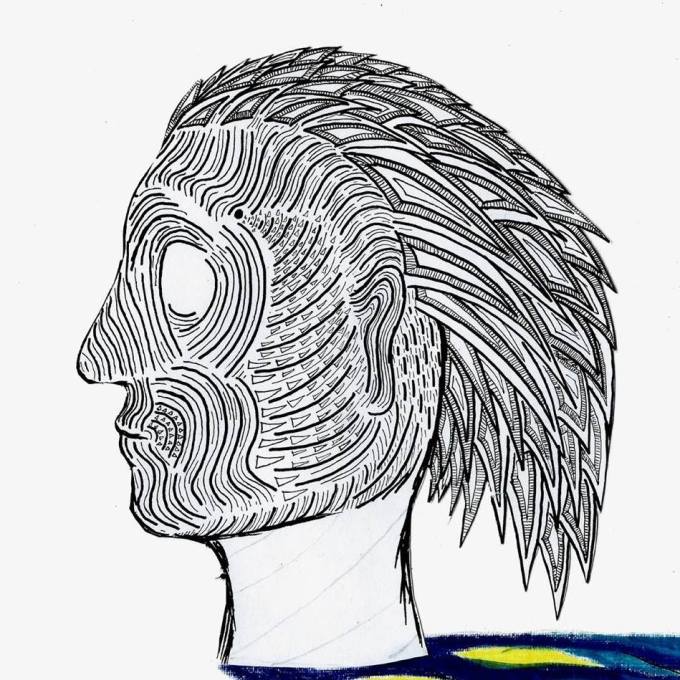
Featured Image: Zac Quitzau. Facebook: Zac’s Doodles

Slaves to Validation

To seek validation is to seek approval from others or to feel the need to be of value to others. Nobody is immune from the chains of validation, everyone has sought and seeks validation somehow, in some way and to some extent. We seek approval for our decisions, actions, thoughts and everything in between- from our parents, family, friends, employers, colleagues, strangers and broader society. We do it in our everyday lives right through to our online presence. At times, seeking validation is synonymous with attention-seeking. In fact, the role of ‘validation’ in our lives is hardly ever discussed in academic literature, and yet we are all ‘slaves to validation.’

There’s a lot of questions that arise from the concept of validation, like, why does it matter what other people think of us? Can we actually control how others view us? Do we actually own our reputation or is it actually owned by others? What happens to us when we seek validation? Why do we seek validation? Is there a healthy form of validation seeking? Is seeking validation a good or bad thing?

To me, the scariest question of all is, who are we but for what other people say we are? How do we know we’re good kissers but for other people saying we are? How do we know we’re smart or beautiful but for other people saying we are? How do we know our butt looks big in these jeans but for other people’s views? Are human beings inherently a product of the reflections other people have of us?

Let’s examine these questions.

Facebook. Instagram. Snapchat. Twitter. For many, social media is a place for sharing one’s life with friends and family but for others it’s a place for seeking validation from the world. I’m sure some people automatically come to mind. To show how seeking validation can manifest itself online, take Instagram model, Essena O’Neill, who made headlines recently for quitting social media and exposing the truth behind the façade of appearing perfect on Instagram. She said she had a conditional sense of self-worth because she was happy when she looked like the fitness models she looked up to- the beautiful, tan, firm-breasted, thigh-gapped women. Her self-love came from how she looked in photos and posting images was how she validated her life. She claimed that all the world would see is one image, but behind the images are 100 different poses, a good filter, and sticking in your tummy in to appear the way she did on Instagram.

Now, there was a lot of controversy surrounding Essena O’Neill’s “coming out” because people thought it was a scam to get more publicity and a laughable attention-seeking ploy. But even if it was attention-seeking, instead of criticizing her for attention-seeking, we should be asking why she feels the need to get attention, to seek this validation. Why anyone feels the need to seek validation?

There are many reasons why we seek validation, from feeling like we’re not good or that we don’t measure up to society’s impossible standards of what is beautiful or ideal or praise-worthy, or it could come from feelings of neglect during upbringing, bullying, feelings of betrayal from a bad break-up and many more.


When we see people attention-seeking or validation-seeking, we shouldn’t criticize, it should really prompt our sympathy above all else because it is so easy to be caught up in the toxic cycle of validation and the cycle goes something like this:

We are told we are not enough. We become insecure and feel that we are not enough. We try to change to be enough. Even if we change we still feel like we’re not enough. So we seek validation to tell us that we are enough and the cycle continues.

What’s worse, is that the economy and society thrive upon us not being enough. Not being thin enough, not being curvy enough. Not being rich enough. Not being muscular enough. Imagine if we all thought we were enough in ourselves, how many industries would go out of business, especially the multi-billion dollar cosmetic industry.

What’s even worse, is that enough is impossible! Enough is unrealistic. Enough is perfection and perfection is impossible to attain. O’Neill’s story, like many others that fall victim to validation shows us what validation seeking does to us, we change ourselves to try and become the person we think the world wants us to be. We are left feeling empty and instead of being filled with self-love, we are left with self-hate. They say we are our toughest critics and while it can be extremely difficult to please ourselves it is impossible to please everyone because there is one truth about humanity, no matter what you say or do, someone will disagree, someone will not like you. As Aristotle puts it “criticism is something you can easily avoid by saying nothing, doing nothing, being nothing.” So this cycle we find ourselves in is impossible to beat, unless you try to break out of it.

Can we break out of it though? Can we control the way we see ourselves without resorting to validation?

I want you to think of your best physical asset or personality trait. Now, think about why you consider your choice to be your best. You’ll find that it has come from some external source, someone told you that’s what they liked about you or maybe society shows you that’s an ideal so you’ve come to like that about yourself. So really, what are we without the perceptions of others?

And if we really are nothing without the perceptions of others. Can we even control how others think of us? There’s this line of thought that argues that our reputation is not owned by us. Our reputation is solely determined by the views of others. Sure, we can try and change the way people view us, maybe by changing ourselves but ultimately we do not own our reputation.

So what are we, but for the ultimately, uncontrollable perceptions of others. Are we validation’s puppets? Slaves to validation? And if so, how do we free ourselves?

Studies show that the happiest people are the people who accept that they are not perfect and embrace their imperfections. They find perfection in their imperfections. They realise they are enough. This may sound clichéd but it’s true. When you realise you are enough, you learn to love yourself from within, and you garner a strong sense of self-love and self-worth that can resist societal expectations and pressures.

When you free yourselves from the chains of validation you no longer require attention from guys to feel beautiful, you no longer need sex from women to feel validated.  Be warned however, that once you learn to break out of the validation cycle and learn to love yourself from within, you could still face what I’m going to coin “Hopkins Hating.” Yes, it is a reference to Katie Hopkins who believes things like “I don’t believe you can be fat and happy,” it’s the kind of hating that says “you’re living a lie,” how the hell can you be happy-you don’t conform to society’s standards.

On the other hand is seeking validation always a bad thing? The need for approval, validation and likability can be extremely profitable avenues in life- in advertising, brand-management, politics, reality television, entertainment. Really, you can find it almost anywhere. Which begs the question, is there anything inherently wrong with wanting to be liked, wanting validation, and wanting approval? It seems as if it’s part of human nature to want to be liked, to be validated. Maybe we’re really all just egocentric people. It feels good. But the dangerous line you don’t want to cross is where your primary source of self-worth is through external validation.

But what do I know, it’s just some food for thought. What do you think?

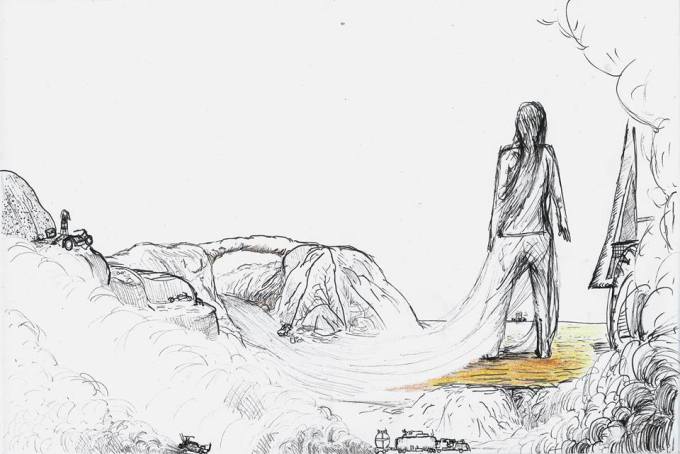
Featured Image: Zac Quitzau Fb: Zac’s Doodles

The Unknowing Victims: Revenge Porn, Parasite Porn and Morphed Porn

It was 2am on a Saturday night and unlike my typical weekend of wild partying, I was enjoying a quiet night in. Little did I know that what started off as aimlessly browsing the web, would turn into an even wilder, unexpected three year ordeal that to this day is far from over. That night, my mind turned to something I heard about earlier that day, the Google Image Reverse function, that allows you to upload a picture and find out if and where it is on the Internet. So, out of pure curiosity, I decided to try it for myself. What I discovered made my body ache, like the feeling you get from hearing troubling news, but a million times worse. Dozens upon dozens of porn sites had my face featured on their pages, from xhamster to sex.com and many more.

As I opened up the sites, one at a time, I found galleries of my photos, many had been taken from my Facebook page or my friends’ Facebook pages or from nightclub albums.  My details were listed- name, age, location and what I studied. The comments that were left about me are too explicit and offensive to repeat. “Parasite Porn” is the phrase used to describe the posting of photos stolen from social media websites and repurposed for pornographic purposes.

I called the police that night and I was told to bring screenshots of the sites to the closest police station. Monday morning came and I travelled to Eastwood Police Station with my laptop in hand. There was nothing they could do.  They informed me that once a photo has been posted online anyone can use and do whatever they want with it, even if it meant misrepresenting you on porn sites. I would like to note that none of the photos I had were sexually explicit. I pleaded with the police saying that the lack of consent must make this illegal, but all I could do was to contact the sites myself and request to take them down. I have successfully taken down many sites since, but I am still in the process of removing numerous sites which feature morphed photos of me, that is, photos of me that have been manipulated into a sexually explicit nature, this is an example of “morphed pornography.”

My personal experience is not an isolated one. In a society that is dominated by a vast, under regulated Internet and social media culture, where photo sharing is a commonplace activity, many victims of this sort of cybercrime, predominantly women, find themselves vulnerable and without adequate recourse. Some victims may be able to afford the expenses to remedy the damage, such as lawyers and private investigators. But there is no remedy for the emotional damage to the spirit and dignity of these victims. All too often these crimes are occurring, from the recent celebrity nude photo scandal, where many female A-list celebrities like Jenifer Lawrence had their iCloud accounts hacked and nude photos disclosed, to the very recent incident surrounding 500 Adelaide women who were found to be victims of “revenge porn,” the public sharing of sexually explicit material, often by ex-lovers, for the purposes of humiliation.

It is easy to adopt the view that if you don’t want your photos to end up in the wrong hands, don’t upload them, or if you do upload them you should expect this kind of backlash. This very sentiment was echoed by Sunrise, when in response to the Adelaide revenge porn incident they stated “when will women learn?” not to take such photos.  The comments made by Sunrise sparked outrage when feminist writer Clementine Ford called Sunrise out for “victim-shaming,” when the in fact, these women were merely “victims of crime.”

Repairing the damage done by cybercrime can be very difficult; there are issues of jurisdiction if some websites are outside the Australian domain, not to mention the adverse effect on the victim’s employability and reputation, as she may likely become susceptible to slut-shaming. In my opinion, the most dangerous part of all, is the fact that many victims of crimes such as these, have no idea they are victims until the damage may is irreparable.

Luckily, all is not so grim. Amit Singhal, a senior vice-president of Google has announced that they would remove from their search results, nude or sexually explicit photos that were uploaded without the victim’s consent, although the photos will still appear on the original websites. Whilst Google’s course of action will not solve the issue at hand, it is a huge step in tackling this kind of cybercrime. Numerous states in the US have seen the emergence of revenge porn legislation. Australia is yet to follow suit.

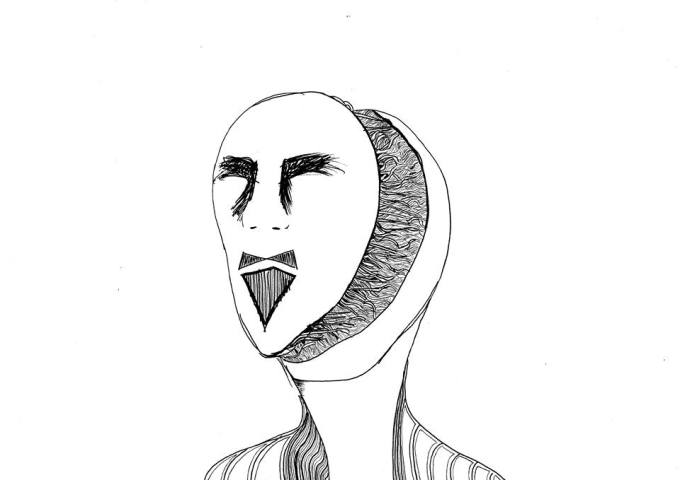
Featured Image: Zac Quitzau Fb: Zac’s Doodles

The Anatomy of a Bitch

Have you ever been called a bitch? Have you ever called someone a bitch? Have you ever thought someone was a bitch? Let’s be real, we could all answer yes to at least one of the above.  A bitch is defined as a “spiteful or unpleasant woman,” but the term is no longer used just to refer to the mean girl in class, the ‘Regina George’ type. It is increasingly being used to refer to women who are outspoken, opinionated, competitive, honest, demanding and dominant, particularly women in positions of power the ‘Miranda Priestly’ type.

So how honest or outspoken can a woman be before their considered a bitch? What extent can they express what they want without coming across as demanding? And why are men who are also in positions of power often seen as assertive whereas women are seen as bossy or bitches. Is it the way women talk, their tone or pitch that is distinct from a man’s voice, is it found in a woman’s mannerisms or appearance, is it influenced by pop culture representations of women in the media, or are we as a society still subconsciously holding onto traditional gender stereotypes where women are expected to be submissive, nurturing and empathetic and men are expected to be dominant and outspoken; and rejecting any departure from these traditional gender roles? Surely not, but let’s explore.

The way men and women communicate varies significantly, women tend to possess a passive-aggressive communication style where they don’t say what they mean because according to psychologists women have been trained to be nice and avoid conflict. . Take the simple example of a man pursuing a woman in a bar, if she’s not interested a woman will often lie that she has a boyfriend or is even a lesbian, or fabricate some excuse in order to be nice, avoid conflict and maintain harmony. If she rejects him by saying she’s not interested, she’s seen as a bitch.  The trend of passive-aggression among women means that when women express something, it is often interpreted differently by the listener, leaving the woman open to misinterpretation possibly causing confusion and tension. Also, for many women, trying to be assertive can easily turn into being either too passive or too aggressive.  So, if you’re passive you’re seen as weak. If you’re aggressive, people are going to think you’re a bitch. But is this the same for men and does this leave assertive communication as the only way for a woman NOT to come across as a bitch?

It seems not. Even if a woman masters the art of assertiveness, being assertive is still seen as a traditional masculine stereotype. Could it be that society is holding onto traditional gender stereotypes, and when a woman possesses traits that are “traditionally masculine traits”, such as being outspoken or competitive are we as a society aren’t willing to accept it? When we explore this idea further we can see the same is true for men. The only time a man is really called a bitch, is when he follows orders instead of making them, when the man is the submissive. A man, who is called a bitch, is a man who is seen to possess feminine qualities. This man is a bitch because he does not conform to traditional notions of what a man should be. Similarly, a woman is called a bitch because she does not conform to what a woman should traditionally be. When we use the word bitch are we subconsciously reinforcing traditional gender stereotypes?

In a world where the majority of men’s voices are louder than women’s and men are bigger and taller than women, it is very difficult for women to climb up the executive ladder or to have their voices heard. In order to raise their voices, women must resort to possessing masculine qualities in positions of power. To succeed in this world, women must “act like a lady, think like a man” but when they finally do, they are still undermined by this word “bitch.”

The word bitch is more damaging to notions of gender than we realise. It also doesn’t help that pop culture portrays outspoken women as bitches, in the movie “10 things I Hate About You,” the opinionated protagonist Kat is referred to as a “heinous bitch.” For all intents and purposes it’s practically irrelevant whether the woman is a nasty, spiteful, unpleasant bitch, because no matter how a woman acts, socially or professionally she cannot avoid being undermined by the word bitch whether she is or not.  Luckily, in recent news a new form of leadership is brewing among white-collar females who are utilising their empathetic and nurturing traits, on a CEO level.

I think before we use the term bitch, we should be aware of what it’s doing to notions of gender. The very application of the word undermines women’s views and voices. It reinforces traditional gender stereotypes and rejects any role reversal among genders. It’s an insult. Alternatively we can take on a different perspective and reclaim the word. We can empower women through the word itself. Sherry Argov does just this in her book “Why Men Love Bitches” describing a bitch as an “empowered woman who derives tremendous strength from the ability to be an independent thinker, particularly in a world that still teaches women how to be self-abnegating. This woman doesn’t live someone else’s standards, only her own.”

To bitch or not to bitch?

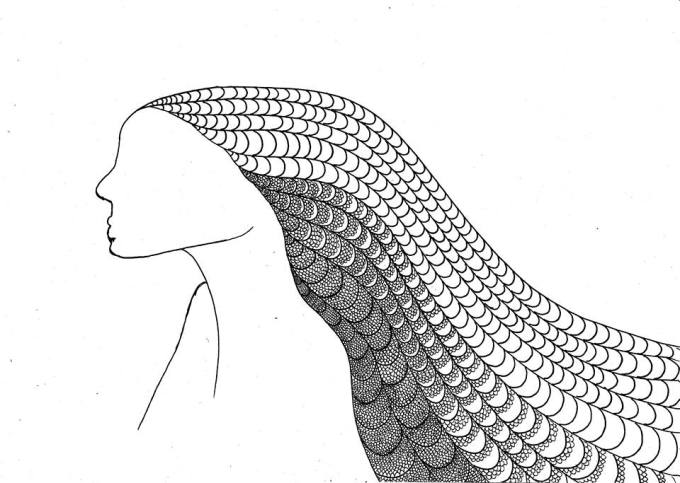
Featured Image: Zac Quitzau Fb: Zac’s Doodles